

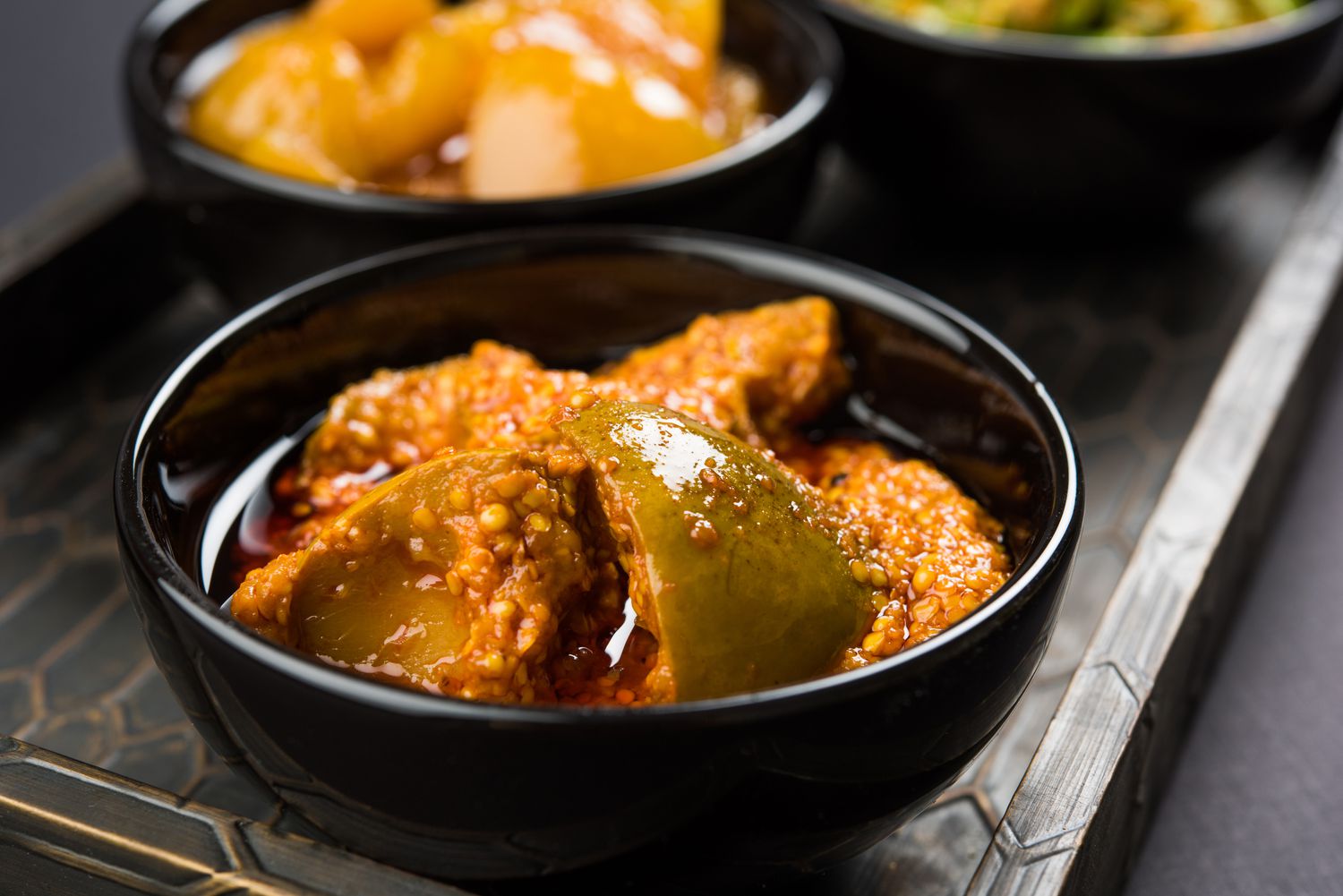
In the ever-evolving world of modern dining, where food trends rise and fall like the tide, there’s something deeply comforting about flavours that have stood the test of time. Enter Indian pickles – a culinary gem from the subcontinent that has been quietly transforming meals for centuries.
Often underestimated as a mere side, these fiery, tangy, and sometimes sweet accompaniments are now stepping out of grandma’s pantry and finding their way onto contemporary tables across the globe. From minimalist breakfast bowls to decadent charcuterie boards, Indian pickles are earning their spot as a must-have flavour bomb in modern kitchens.
So what makes Indian pickles so special? Why are they more than just a condiment? Here’s why these jars of sunshine deserve a permanent place on every plate.
A Symphony of Flavours in a Spoonful
Indian pickles (achaar) are unlike anything else in the global condiment universe. Each spoonful is an orchestra of tastes – spicy, sour, sweet, salty, and umami – all playing in perfect harmony. This complexity is what makes them unique.
A tiny bite is often enough to elevate even the simplest meal from ordinary to unforgettable. Take the iconic hing ka achar, for instance – a mango pickle infused with hing (asafoetida). Its sharp, umami-rich profile doesn’t just complement rice and lentils; it pairs beautifully with sourdough sandwiches, avocado toast, and even roasted vegetable salads.
The blend of mustard oil, fenugreek, nigella seeds, and red chillies creates layers of taste that dance across the palate in ways no store-bought ketchup ever could.
Indian pickles aren’t just an accompaniment – they’re an experience.
The Forgotten Superfood in a Jar
At a time when wellness enthusiasts are on a global hunt for natural probiotics in kombucha, sauerkraut, and kimchi, Indian pickles offer a homegrown solution that’s been quietly sitting in our kitchens for centuries.
Here’s why they deserve a spot in your diet:
- Gut Health: Fermented pickles like lemon or amla (gooseberry) introduce beneficial bacteria into the digestive system, boosting gut flora and aiding digestion.
- Rich in Antioxidants: Spices like turmeric and fenugreek in pickles are known for their anti-inflammatory and antioxidant properties, which support overall immunity.
- Natural Appetite Boosters: A spoonful of tangy pickle stimulates digestive juices and enhances appetite.
Unlike the high-sodium, preservative-laden pickles found in many supermarkets, traditional Indian pickles are a nutrient-dense powerhouse when consumed in moderation.
A Legacy of Love and Labour
Every jar of Indian pickle tells a story, which Nani Ka Pitara has aced.
It’s the story of childhood summers, when grandmothers and mothers gathered in sun-drenched courtyards, carefully preparing fruits and vegetables for preservation. Mangoes would be diced, limes slit open, and chillies stuffed with fiery masala blends. These ingredients would then be left to bask in the summer sun, absorbing its warmth before transforming into that perfect jar of achaar.
The process wasn’t just culinary; it was cultural. It symbolised patience, care, and the passing down of knowledge from one generation to the next.
In today’s fast-paced world, this slow, intentional approach feels almost radical – and deeply appealing to those seeking authenticity.
Breaking the Boundaries of Tradition
Indian pickles are no longer confined to pairing with dal and roti. Food lovers and chefs alike are experimenting with them in exciting, unconventional ways:
- Pizza Topping: A drizzle of garlic pickle oil on a Margherita pizza adds heat and complexity.
- Grilled Cheese with a Twist: Layer some spicy lime pickle between cheese slices for a mouthwatering kick.
- Salad Dressings: Blend a spoonful of carrot or lemon pickle into olive oil and lemon juice for a tangy, spicy dressing.
- Cocktail Rim Spice: Mix dried mango pickle masala with salt for a bold margarita rim.
Such creative applications prove that Indian pickles aren’t just versatile – they’re global flavour enhancers.
Sustainability on Your Plate
Modern consumers care deeply about sustainability, and Indian pickles align beautifully with this ethos.
- Seasonal Eating: Pickles preserve produce at its seasonal peak, encouraging mindful consumption.
- Natural Preservation: Traditional methods like sun-drying and oil-based curing rely on natural techniques instead of energy-intensive refrigeration.
- Reducing Food Waste: Overripe or surplus fruits and vegetables can be transformed into delicious pickles, making them a zero-waste hero.
Adding pickles to your plate isn’t just a culinary decision – it’s a small yet powerful step toward a more eco-conscious kitchen.
The Social Media Revival
Indian pickles are also having a digital renaissance.
Instagram feeds are now dotted with aesthetic shots of colourful jars, while TikTok and YouTube are flooded with videos of traditional recipes being recreated with a modern twist. Foodies are proudly sharing how they’ve used mango pickle oil to roast vegetables or paired chilli pickle with creamy brie on their charcuterie boards.
This online buzz isn’t just about food – it’s about storytelling, cultural pride, and rediscovering heritage in a way that resonates with younger generations.
Pickles as Cultural Diplomats
In a globalised food world, Indian pickles are becoming cultural ambassadors.
Michelin-starred chefs are using them as gourmet accents, while home cooks across Europe and America are experimenting with Indian condiments in their everyday meals.
By sharing pickles with friends from different backgrounds, millennials are sparking conversations about culture, tradition, and the richness of Indian cuisine.
Why Your Pantry Needs Pickles Too
In a world saturated with processed condiments and mass-produced sauces, Indian pickles offer something rare – authenticity.
They are:
- Vibrant: Bursting with bold flavours and colours.
- Alive with Culture: Each jar carries generations of culinary wisdom.
- Adaptable: From avocado toast to fusion pastas, their uses are limitless.
The next time you’re crafting a modern meal – whether it’s a quinoa bowl, a cheese platter, or a hearty soup – reach for a jar of Indian pickle. It’s not just about adding spice; it’s about adding soul.
Bringing Heritage to the Modern Table
Indian pickles are more than food – they’re a bridge between past and present, tradition and innovation. They remind us that in the pursuit of new trends, sometimes the most powerful flavours are the ones rooted in history.
Stocking your pantry with a jar or two isn’t just an upgrade to your meals – it’s an invitation to savour culture, wellness, and sustainability in every bite.
Because at the end of the day, Indian pickles don’t just complement a dish. They complete it.